Is the Giant Camel's Foot Creeper the King of Jungles in India and Nepal?

Is the Giant Camel's Foot Creeper the King of Jungles in India and Nepal?

Deep within the lush and beautiful forests of India and Nepal lies a natural wonder that leaves both scientists and nature lovers in awe. Known in the botanical world as Bauhinia vahlii and colloquially as the Camel's Foot Creeper, this is no ordinary plant. It is a massive climbing vine that uses its powerful tendrils to scale the highest peaks of the forest canopy. This article is an enlightening journey to understand how this vine with its unique, large leaves shaped like a camel's footprint expands its territory. We will look back into history to see how it is described in ancient Ayurvedic texts and folk legends. We will also explore how local tribes use its tough bark to weave ropes and baskets, while traditional healers use its extracts to treat deep wounds and joint pain. This blend of nature, history, and medicine shows just how deeply this giant vine connects the forests and the people of India and Nepal.

How does this giant vine reach the peaks of the tallest trees?
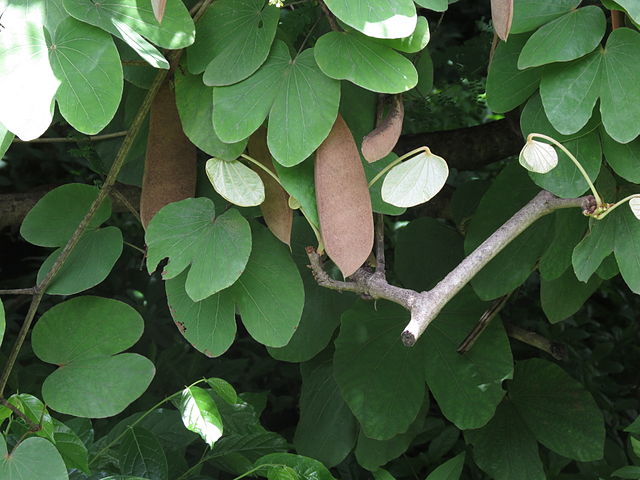
The growth and expansion of Bauhinia vahlii are nothing short of a botanical miracle. According to scientific databases, it is an aggressive climber that flourishes rapidly in its natural habitat. Its vines and branches are so sturdy and long that they can easily wrap around the trunks of the largest trees to reach the very top of the forest. The most recognizable feature of this vine is its exceptionally large leaves, which look exactly like the tracks left by a camel. This specific structure earned it the name Camel's Foot Creeper. With the help of its massive vines and wide leaves, the plant dominates the forest canopy to absorb maximum sunlight.

What is its historical significance in ancient Ayurvedic texts and folklore?
Long before modern science, the ancient cultures of India and Nepal recognized the true value of this giant vine. Historical records prove that the roots of this plant go deep into the rich history of both nations. Ancient botany and old Ayurvedic texts describe the medicinal and practical uses of this vine in great detail. It is not just found in medical books but also held in high regard in the folklore and traditional stories of the indigenous people. These ancient records are clear evidence that this giant plant has been a vital part of daily life and health management for the local population for hundreds of years.
File:Bauhinia vahlii 04.JPG

What are its biological and traditional uses in Nepal and India?
Naturally growing in the wild forests of Nepal and India, this vine contributes significantly to medicine and biology. Academic research and medical reports have performed deep analyses of the Bauhinia vahlii found in Nepal. These studies clarify that the plant possesses various biological activities that are highly beneficial for human health. Traditional healers and rural doctors have used different parts of this plant for centuries to fight both internal and external ailments. This biological analysis serves as a strong and authentic bridge between modern science and ancient traditional knowledge.

How does science view its anti inflammatory and medicinal wonders?
Despite being a wild forest vine, it contains incredible strength to fight human diseases. Medical reports highlight the cultural importance and the unbelievable medicinal miracles of this Indian vine. Research has revealed that this Green Giant possesses anti inflammatory and anti diabetic superpowers. The properties of this vine have proven miraculous in reducing severe inflammation and controlling blood sugar levels. This medicinal value makes it more than just a wild plant; it is a powerful natural lifesaver used to manage various chronic conditions.

How effective is the leaf extract for treating wounds in clinical tests?
The traditional treatments used by rural healers since ancient times have now been validated by world class modern science. A highly authentic research paper published by the National Institutes of Health has fully confirmed the traditional medicinal uses of the leaf extract. Modern scientific tests have clearly found that the extract from these leaves can heal serious wounds very quickly. Furthermore, traditional practitioners have long used the extract to provide relief from severe joint pain and arthritis. This strict scientific confirmation proves that the vine is a complete natural pharmacy in itself.

How do rural artisans create everyday items from its strong bark?
Beyond its medicinal benefits, this plant also supports the rural economy and daily lifestyle in India and Nepal. Reliable agriculture and forestry reports mention how the leaves and the extremely strong bark are harvested sustainably in rural areas. Artisans in local communities use their amazing skills to weave the bark into highly durable ropes. Additionally, the bark is used to create beautiful and sturdy baskets and various other traditional rural crafts. This extensive use in rural craftsmanship is an inseparable part of the people's livelihood and cultural heritage.

What role does this vine play in binding forest soil and protecting wildlife?
In addition to helping humans, this giant vine plays a very important and positive role in maintaining the balance of the entire ecosystem. Comprehensive research using ecological niche modeling has explained the environmental contributions of this creeper in the Indian subcontinent. Due to its massive spread and strong roots, the vine helps stabilize the soil and prevent erosion. Moreover, its dense leaves and branches support forest life by providing a safe shelter and food for a wide variety of wild animals and birds.

Sources:
https://tinyurl.com/2y7hhqc3
https://tinyurl.com/2y225etu
https://tinyurl.com/24ljqmnw
https://tinyurl.com/2722a4us
https://tinyurl.com/237csomj

Trees, Shrubs, Creepers
bilateral