Is the Water Silk of India and Nepal a scientific miracle?

Is the Water Silk of India and Nepal a scientific miracle?

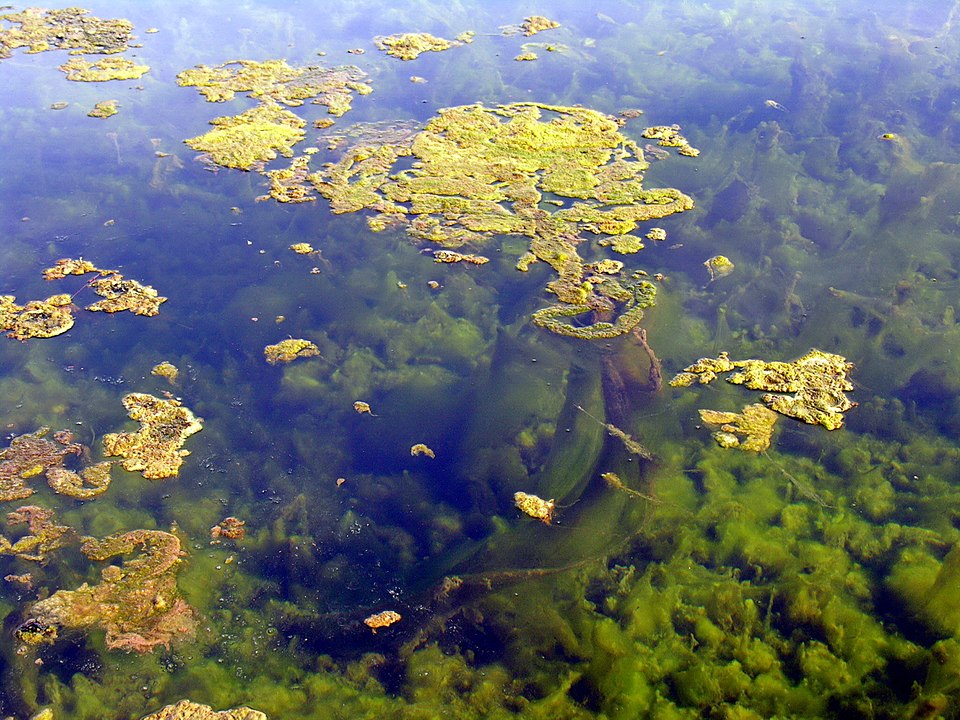
In the freshwater ponds and flowing streams of India and Nepal, you will often see a thick green sheet floating on the surface. While most of us ignore it as mere pond scum, the scientific world knows it by elegant names like Spirogyra or Water Silk. This is no ordinary moss; it is a fibrous green algae that carries a near magical ability to purify water. Its most striking scientific feature is its winding, spiral shaped chloroplasts. This unique spiral design creates the dense, shimmering green mats that float like carpets on the water. This structure does more than just give it a distinct look: it makes its internal biological functions highly specialized. In natural freshwater habitats, this algae spreads rapidly and plays a vital role in the entire ecosystem.

How does this plant survive the harsh Trans Himalayan environment?
The environment of the high and rugged Trans Himalayan regions of India and Nepal is extremely difficult for plant life. Freezing temperatures, sudden weather shifts, and harsh conditions make survival a challenge for most species. However, Spirogyra has developed a brilliant natural system to adapt to these extremes. Scientific research shows that this green algae is rich in bioactive compounds that help it stay alive in such a punishing climate. These compounds provide the strength needed to thrive in icy freshwater and bolster its environmental resilience. Because of this unique ability, the plant easily expands through the natural water sources found in the Himalayan foothills and high altitude zones.

What is the historical connection between this algae and ancient rice fields in India and Nepal?
The history of Spirogyra is not limited to modern science labs. It has a deep and ancient historical link to the shared wetlands and traditional rice paddies of India and Nepal. Studies in historical botany show that farmers in the hilly districts of South Assam and the terraced fields of Nepal have worked in harmony with this green algae for centuries. When farmers practice traditional rice cultivation on mountain slopes, the standing water naturally creates a network of algal communities. Spirogyra is the most prominent member of this network. Since ancient times, farmers have been in direct contact with these green layers during sustainable rice farming. The algae flourishes naturally in the fields and becomes an inseparable part of the agricultural ecosystem, proving just how deep the centuries old relationship between nature and traditional farming truly is.

Has modern science discovered a miracle for cleaning toxic water in this green algae?
In an era where rivers and ponds are suffering from severe pollution, scientists have found a major breakthrough hidden within this green algae. Researchers at the Motilal Nehru National Institute of Technology have uncovered a vital technical solution. They have used a combination of nanotechnology and this green algae to clean polluted freshwater sources. This cutting edge biotechnological potential proves that Spirogyra can be used as a powerful weapon to fight the serious global issue of water pollution. This technique is not only affordable but also completely environmentally friendly.
File:Single strand chloroplast in Spirogyra.jpg

Does this simple looking pond scum have the power to absorb poisonous heavy metals?
The greatest feature of this algae is its unmatched ability to perform biological cleaning. According to detailed reports, the biotechnological use of Spirogyra can be applied on a large scale to biologically purify wastewater. Waste from factories and cities contains various toxic heavy metals that are deadly for both humans and aquatic life. This green algae possesses a natural power to pull these dangerous heavy metals into itself, making the water completely safe and clean.

Scientists have also proved that the algae does not even need to be alive to clean the water. When it dries or dies, its dead biomass acts as a fantastic and sustainable biological absorber. Using dried Spirogyra biomass makes the water purification process very fast and effective. This dried algae soaks up impurities like a sponge. Scientific studies on its kinetics and effectiveness confirm that this is a highly safe and natural option for the future of water treatment.

How does this plant reveal the hidden secrets of river and pond health?
Spirogyra does more than just clean the water; it also acts like a natural doctor, checking the health of water sources. In environmental science, it is considered a very important biological indicator. To determine the purity and health of any freshwater ecosystem, scientists keep a close watch on the fibers of this green algae. An academic study has fully proven that Spirogyra functions as a whole cell biological indicator. When the water of a river or pond starts getting poisoned by pesticides or heavy metal pollution, the behavior and structure of this plant begin to change. By observing these changes, scientists can immediately determine the level of pollution in the water. In this way, by weaving together biology, ancient farming history, and modern science, this simple looking algae beautifully connects the natural landscapes of India and Nepal while protecting our environment.

Sources:
https://tinyurl.com/24mo5qmc
https://tinyurl.com/2bp57ymc
https://tinyurl.com/26jjy7xv
https://tinyurl.com/25r9cxjb
https://tinyurl.com/269uo2by
https://tinyurl.com/ybffwdr6 
https://tinyurl.com/2dnnlsat 

Bacteria, Protozoa, Chromista, and Algae
bilateral